
Allow Primates in Research the Same Protections as Great Apes
Hundreds of primates (marmosets, macaques, baboons) annually are subjected to experimentation in Australian research facilities. This includes highly invasive and distressing procedures, as well as confinement to poor living conditions (usually solitary confinement in a cage). At the end of the research, they may be killed or subjected to further experiments.
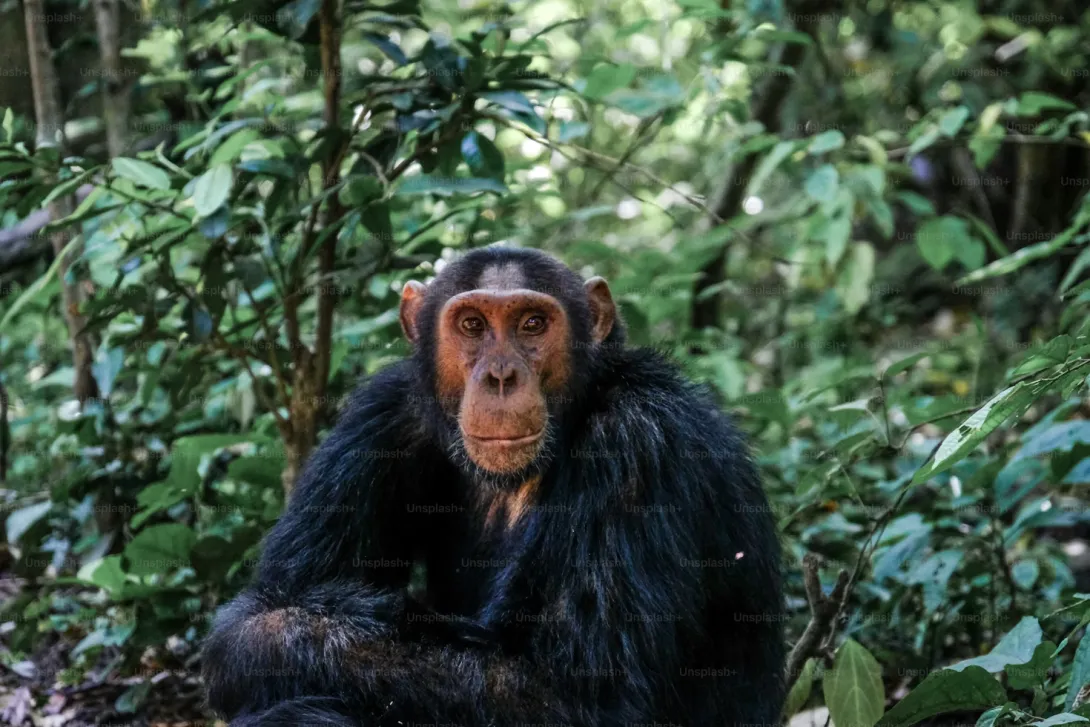
With advanced psychosocial, emotional and behavioural skills that are like humans, this raises significant ethical concerns. Namely, primates used in research suffer severe physical and psychological trauma. Under the existing 2016 NHMRC Principles and Guidelines for the Care and Use of Non-Human Primates for Scientific Purposes ("the Guidelines"), there is distinction between Great Apes (gorillas, orangutans, chimpanzees, bonobos) and other primates. Being closest to humans, Great Apes cannot be used for scientific purposed unless they directly benefit from it, or for observational-only study.
These Guidelines, and the associated overarching Australian Code for the Care and Use of Animals for Scientific Purposes, are outdated; since their introduction, scientific understanding of primate sentience and cognitive ability has increased enormously. It is now apparent that, like great apes, all primates subjected to experimentation will inherently experience similar pain, distress and trauma to humans.
Sourced from

Action status
Topic
This Action included in

Do our February/March actions from wherever you are! If you are in Brisbane, you can also join us at Vega Cafe to do them together.